David Meier


Glenns Creek Distillery
David P. Meier’s path to whiskey began long before his first mash bill. Born in 1958 and growing up on Florida’s east coast, David was a hands-on kid who received his first tool set at 13 and never stopped fixing, tinkering, and building. That maker’s bent carried him from a high-school shop class to Berea College in Kentucky, where he studied industrial technology management, learning practical skills, including TIG/MIG welding, that would later prove pivotal when he started fabricating his own whiskey stills.
After college, Meier went into manufacturing, ultimately joining Toyota Motor Manufacturing in Georgetown, Kentucky, where he became one of the early leaders trained in the Toyota Production System. The lean-manufacturing mindset—eliminate waste, learn from problems, improve continuously—became his operating system. He later consulted globally, but those years of disciplined process thinking never left him. When he did eventually turn to whiskey, he brought a manufacturer’s eye for cause-and-effect and a builder’s confidence that he could design, weld, and iterate his way to better flavor.
The spark for distilling arrived around 2009, when a colleague asked if he could build a still. Meier’s curiosity did the rest. He experimented, taught himself what he didn’t yet know, and, true to lean form, started with small steps and rapid learning cycles. That curiosity soon found a canvas in a historic place: the long-silent Old Crow site in Woodford County, Kentucky. In December 2013, Meier and a partner purchased the abandoned old complex, and even after the partnership ended, Meier continued alone and set about rehabilitating the property’s former bottling house as his working plant.
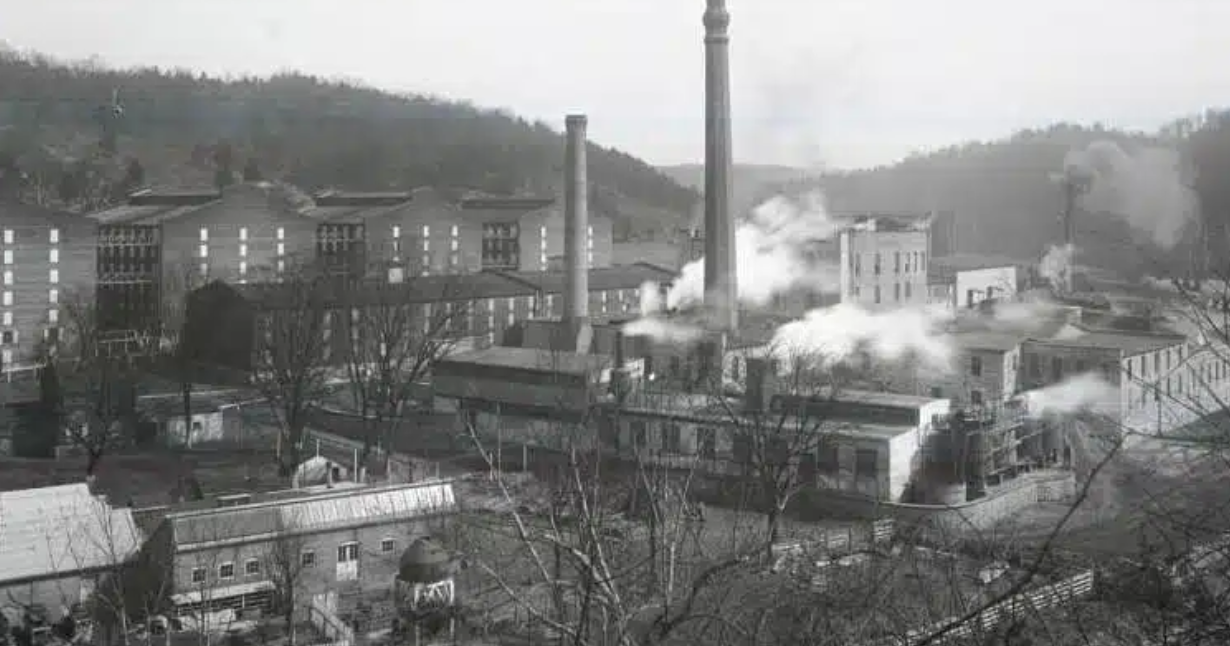
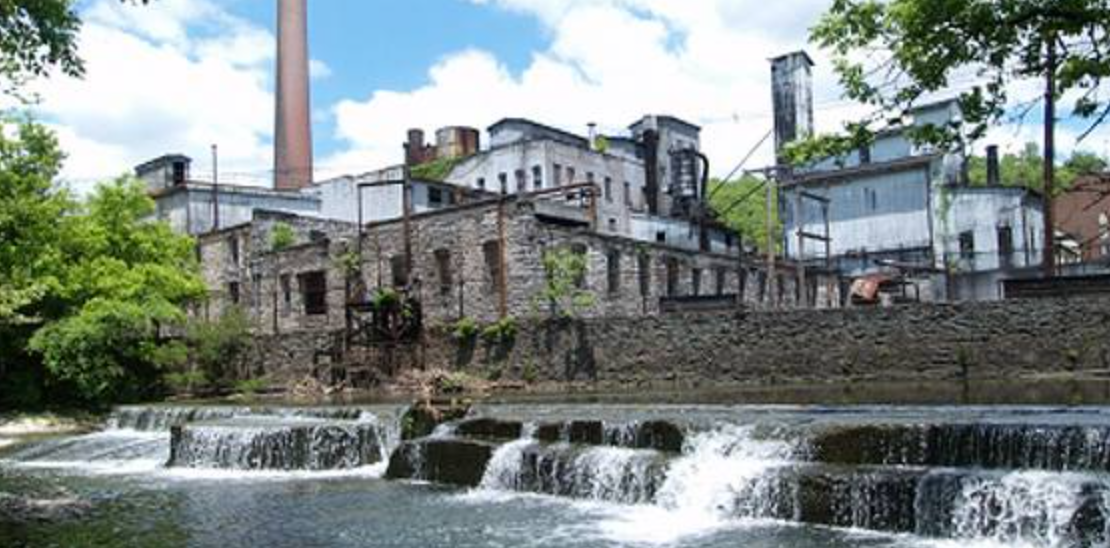
Old Crow Distillery then; Glenns Creek Distillery now.
He named the venture Glenns Creek Distilling (appropriately spelled with a missing apostrophe), and the intent was clear: use traditional craft methods while applying a rigorous, experiment-driven approach to process. Glenns Creek opened in 2014, and Meier began distilling on site in May 2015, committing to nano- and micro-batch runs that let him test variables and lock in profiles before scaling up. The distillery stands on hallowed bourbon ground. It is, after all, the Old Crow property where Dr. James C. Crow helped pioneer scientific control in whiskey making, and Meier leaned into that legacy while simultaneously building something distinct of his own.
From the start, Meier’s whiskey was a dialogue between site history and engineering habit. He studied the ruins, chased the old plant’s stories, and even explored how historical practices could be honored in modern, controllable ways. In interviews he has discussed the pot-still choices behind Glenns Creek, the differences between pot and column distillation, the impact of doublers, and how variables like chill-filtering and still geometry matter to flavor. He was creating his spirit in the auto manufacturing mindset by treating flavor as the “output” of a complex system, then tinkering one input at a time to see what changes.
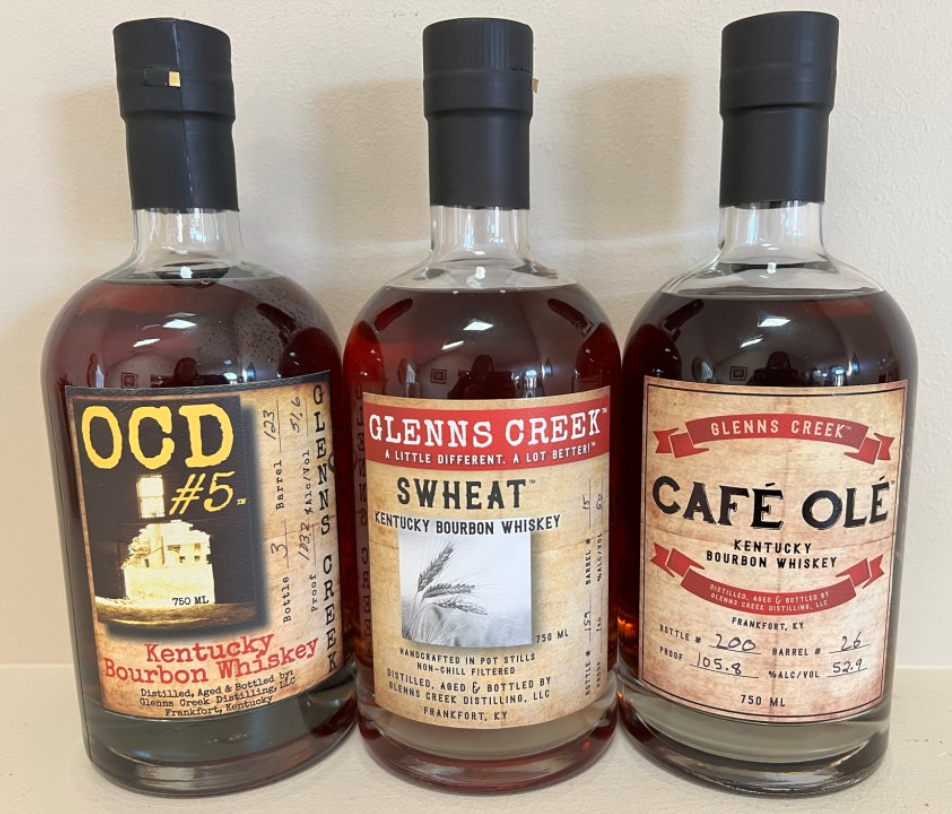
Glenns Creek’s lineup reflects that philosophy. OCD #5 (often playfully decoded as “Obsessive Compulsive Distiller”) became a house signature, joined by releases such as S’wheat (a wheated bourbon) and Cuervito Vivo (a tribute to the Old Crow heritage). Reviewers and podcasters have chronicled how Meier reanimated the site and pursued flavor through controlled experiments, from mash-bill design to fermentation choices. In the case of OCD #5, one “premium” edition even emerged from a bottom-of-the-barrel insight: blending the residual bourbon left after bottling, letting it rest again, and bottling it with minimal filtration to preserve mouthfeel, an idea born from not wanting to waste a drop, and noticing that what remained among the char tasted especially compelling.
Operating at the Old Crow bottling house also made Meier a steward of bourbon history. He has appeared on history-minded whiskey programs to discuss the rise and fall of Old Crow, from its 19th-century heights to the quality slippage and ownership changes that turned it into a bottom-shelf brand, while explaining how Glenns Creek both preserves and reinterprets that legacy. The ruins themselves, visible down McCracken Pike near Castle & Key, remind visitors that American whiskey’s story is cyclical: great brands ascend, decline, and then occasionally find new life through the care of builders willing to invest in their bones.
Today, visitors who make the bend along Glenns Creek find a working distillery with a restless, experiment-first ethos. Tasting rooms double as classrooms; tours become process walk-throughs; and the bottling of OCD #5 or a Cuervito Vivo batch marks another iteration in Meier’s long experiment to translate history and engineering into flavor. In this way, Glenns Creek is less a monument than a workshop that treats whiskey the way an industrial technologist would, and that is, as craft made legible by careful observation, purposeful design, and the humility to keep learning.
Sources:
American Mash & Grain, “Glenns Creek Distilling,” April 17, 2024
Berea College Magazine, “Getting Down to Business-A shot of Kentucky,” (Berea ’83) June 18, 2018, magazine.berea.edu.
Whiskey Lore, the Interviews/episode 10, “Glenns Creek Distillery,” whiskeylore.org
Whiskey Ring Podcast, episode 65, “Glenn’s Creek Distillery with Founder David Meier” November 2, 2022, whiskeyringpodcast.podbean.com
Spectrum News 1 Kentucky, “Good to the Last Drop…”, June 23, 2020, spectrumnews1.com
Whiskey in My Wedding Ring review, “Glenn’s Creek ¡Cuervito Vivo! Bourbon”, November 1, 2022, whiskeyinmyweddingring.com
Abandoned Online, “Old Crow Distillery-Abandonment and Rebirth”, April 3, 2019, abandonedonline.net
Visit Frankfort (tourism profile), “Glenn’s Creek Distilling” (public profile of Meier and site), July 30, 2023: visitfrankfort.com.
Contributed by Tracy McLemore, Fairview, Tennessee